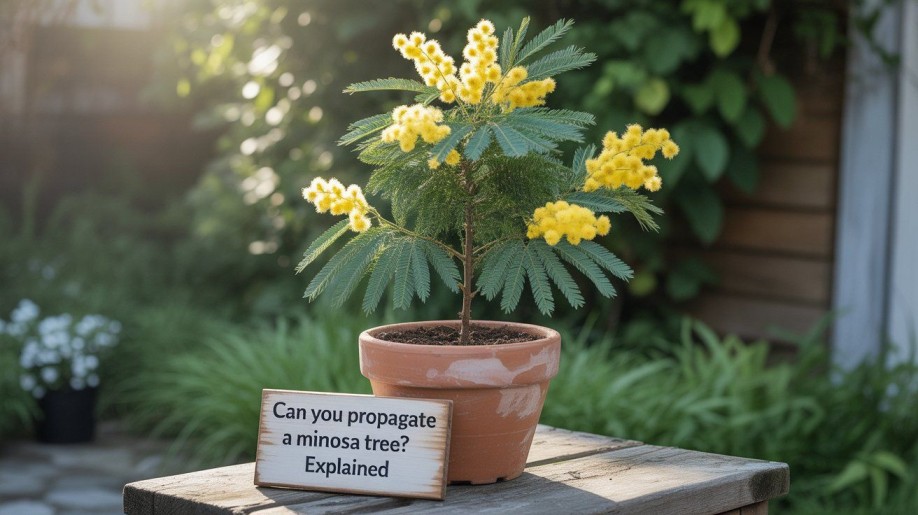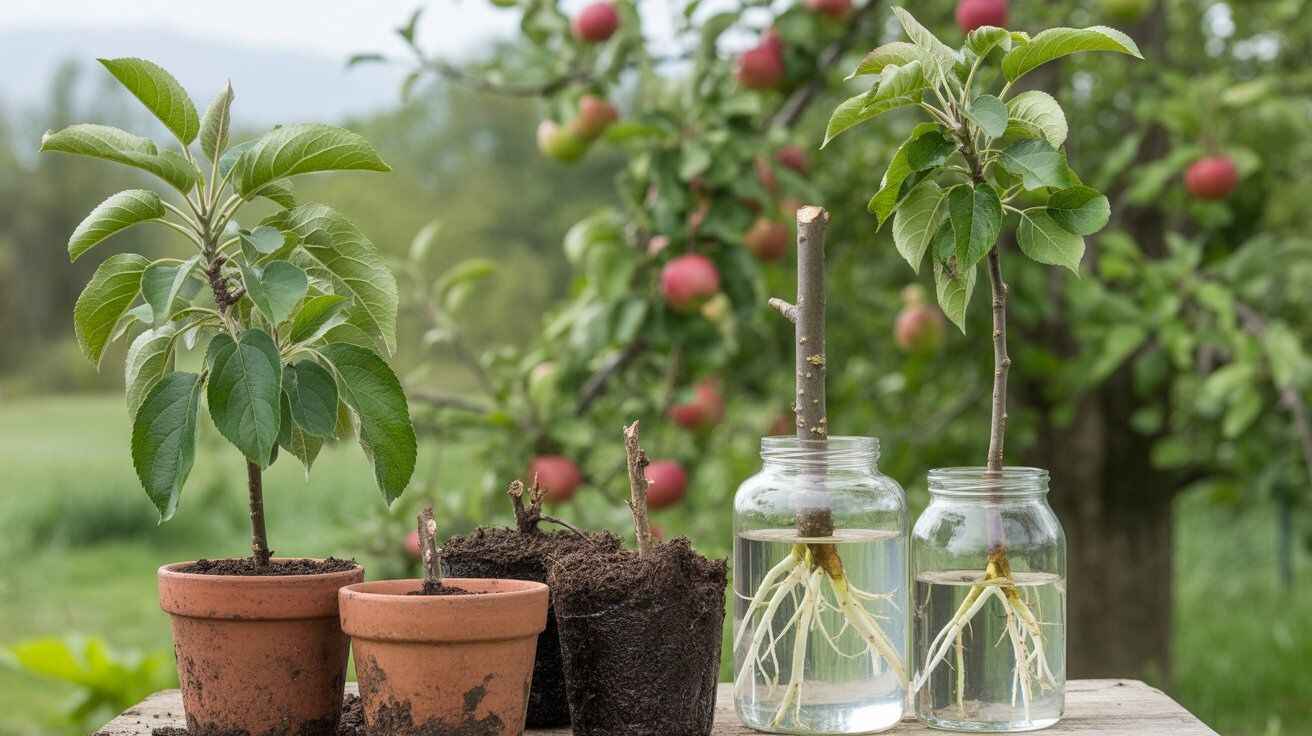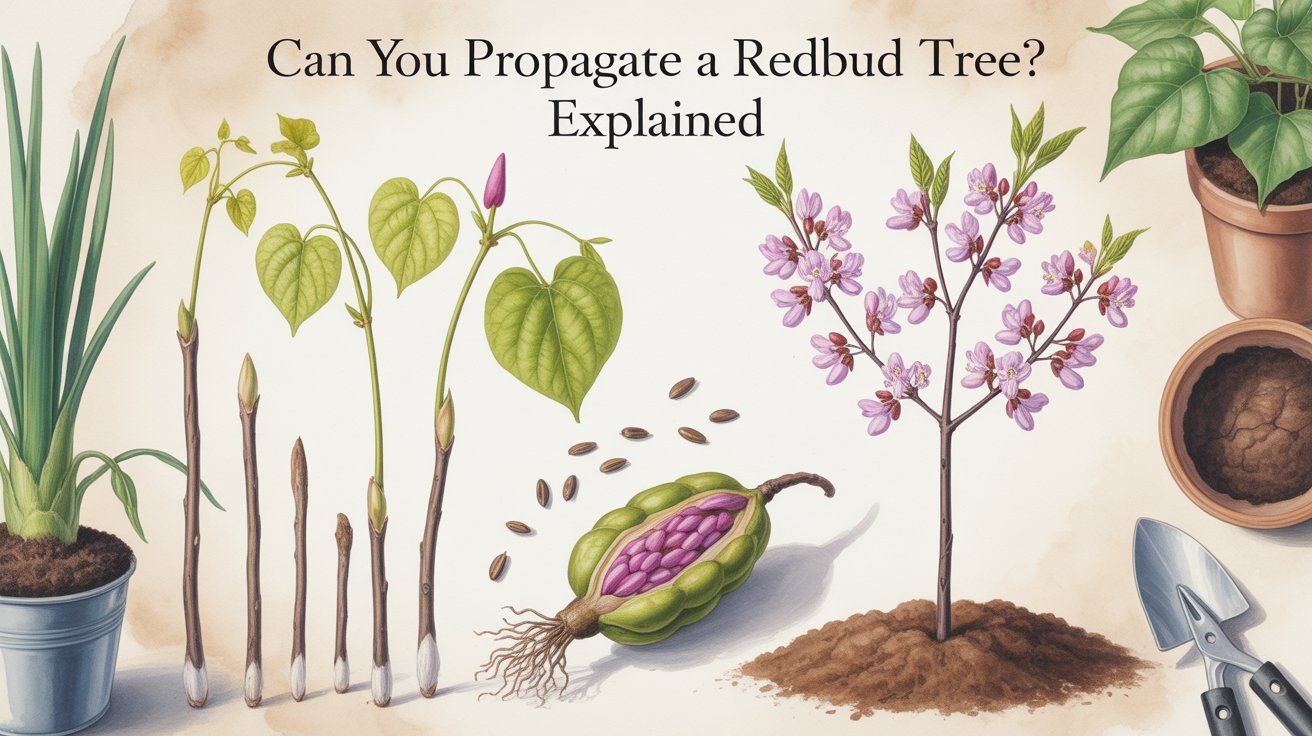
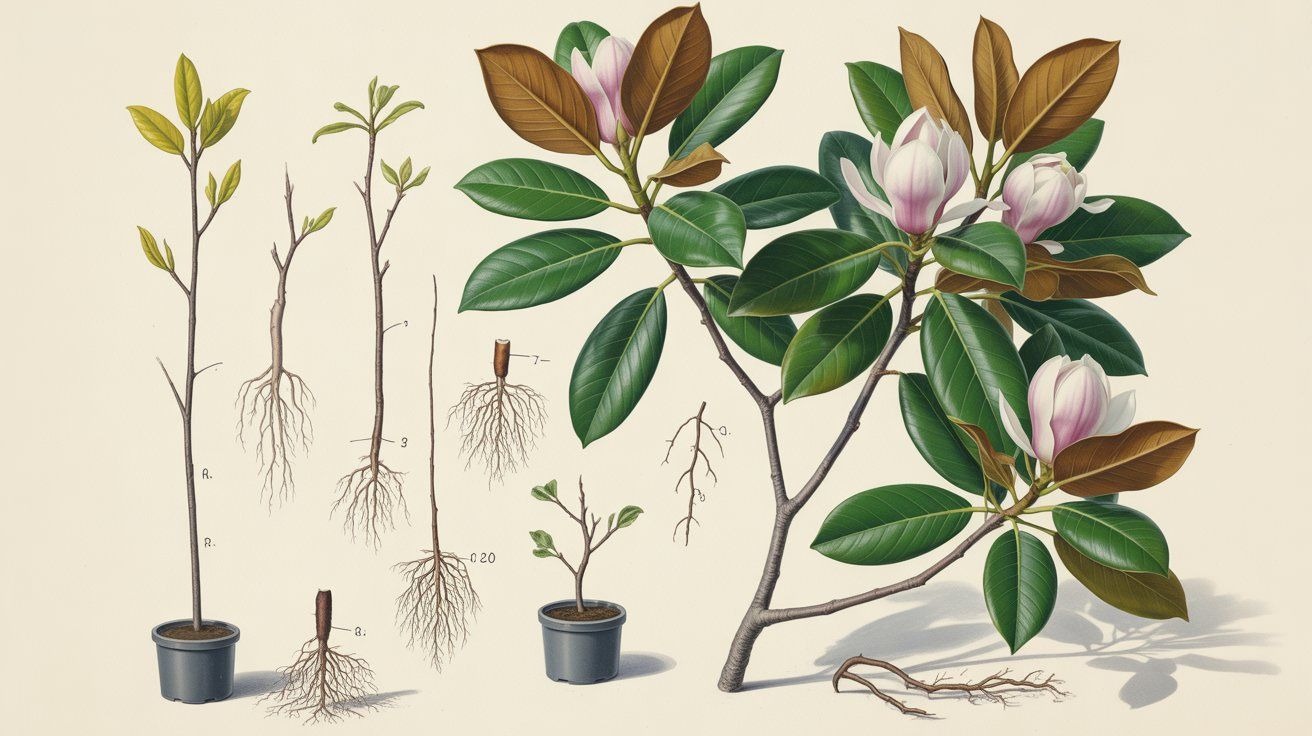
Discover how to propagate a magnolia tree! Simple tips on growing from cuttings or seeds to create healthy new magnolias at home.
Why Propagate Magnolia Trees?
Gardeners often wonder why they should propagate a magnolia tree instead of purchasing a new one. Propagation allows you to preserve unique cultivars, ensuring that the new tree maintains the same bloom color, size, and fragrance as the parent.
It’s also a cost-effective way to expand your garden or share plants with friends. Additionally, propagation can rejuvenate older trees and promote sustainability. By learning propagation methods, you gain control over how your magnolia tree continues to thrive.
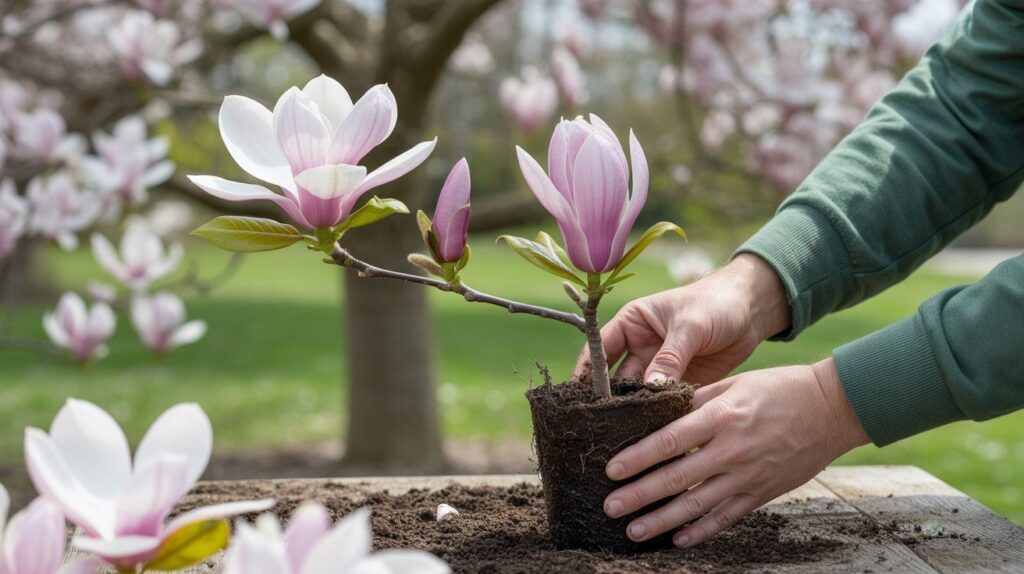
Best Time to Propagate Magnolias
Timing plays a key role when you propagate a magnolia tree. For softwood cuttings, late spring to early summer is ideal, as new shoots are actively growing. Semi-ripe cuttings do best in mid to late summer, while hardwood cuttings can be taken in late winter during dormancy.
Air layering is flexible but often most effective in spring. Choosing the correct season increases rooting success and ensures your young magnolia tree establishes stronger, healthier growth in its first year.
Propagation by Stem Cuttings
One of the most common ways to propagate a magnolia tree is through stem cuttings. Softwood cuttings, taken in late spring, root best when placed in a moist, well-draining medium and kept under high humidity.
Semi-ripe cuttings in summer can also succeed, though they may take longer. Using rooting hormone improves success rates. Patience is key, as magnolia cuttings can take several weeks to establish. With proper care, a cutting can develop into a healthy new magnolia tree.
Air Layering & Layering Techniques
| Propagation Method | How It Works | Benefits | Timeframe / Notes |
|---|---|---|---|
| Air Layering | Wound a branch, wrap in moist sphagnum moss, seal until roots develop | Branch stays attached to parent tree, receives nutrients, higher success rate | Slower than cuttings but produces strong, well-established plants |
| Ground Layering | Bury part of a low branch in soil until it forms roots | Simple method, branch continues nutrient flow from parent | Slower growth, easier for beginners |
| Cuttings (Comparison) | Trim branches, plant in well-draining soil with rooting hormone | Faster but weaker initial roots | Often used for quick propagation, less robust than layering |
Grafting, Budding & Seed Methods
Some gardeners choose to propagate a magnolia tree through grafting or budding, especially when preserving exact traits of a cultivar. Grafting joins a magnolia cutting to a hardy rootstock, improving growth and disease resistance.
Budding uses a single bud inserted under the bark of the rootstock. Seed propagation is another option, but it rarely produces identical offspring and takes longer to mature. While slower, these methods can be rewarding for ensuring a healthy, long-lived magnolia tree.
Caring for Young Magnolia Plants
After you successfully propagate a magnolia tree, proper care is essential for strong development. Newly rooted plants should be kept in moist, well-draining soil and gradually introduced to full sunlight. Overwatering can lead to root rot, so balance is important.
Light fertilization supports steady growth, but avoid excessive feeding, which may damage tender roots. Protect young plants from extreme temperatures until they establish. With consistent attention, your propagated magnolia tree will thrive and transition smoothly into its permanent location.
Troubleshooting & Tips for Higher Success
When you try to propagate a magnolia tree, not every attempt will succeed. Common problems include cuttings failing to root, fungal rot from excessive moisture, or stress from poor soil drainage. Using clean tools and healthy parent branches helps prevent disease.
Maintaining consistent humidity and warmth also improves rooting chances. If one method fails, experiment with alternatives like air layering or grafting. With patience and careful adjustments, your efforts to grow a new magnolia tree can be highly rewarding.

Final Thoughts: Should You Propagate Your Magnolia Tree?
So, can you successfully propagate a magnolia tree? Absolutely—though the method you choose matters. Cuttings and air layering are accessible for most gardeners, while grafting and seeds suit those with more experience or specific goals.
Propagation takes patience, but the reward is a thriving new plant identical—or in the case of seeds, unique—to the parent. With the right timing, tools, and care, any gardener can expand their landscape by growing another beautiful magnolia tree from an existing one.
Frequently Asked Questions
Q1: Can you propagate a magnolia tree from cuttings?
Yes, softwood or semi-ripe cuttings work best when paired with rooting hormone.
Q2: Will magnolia cuttings root in water?
Sometimes, but soil or moss generally produces stronger roots.
Q3: How long do magnolia cuttings take to root?
On average, 6–10 weeks depending on conditions.
Q4: Do magnolias grow true from seed?
Not always—seed-grown plants may differ from the parent magnolia tree.

Jhanzaib Khan, with over 50 years of dedication to nature and tree conservation, is a leading authority in the world of trees and environmental care. From his early years exploring forests to guiding communities in sustainable tree planting, Jhanzaib has combined hands-on experience with a lifelong passion for the environment. He specializes in tree species identification, tree care, forest management, and environmental awareness. His insights have been featured in multiple nature blogs, workshops, and local conservation projects.