Can tea tree oil help your hair? Explore safe application, scalp benefits, and tips for maintaining healthy, nourished hair naturally.
Benefits of Tea Tree Oil for Hair
Many wonder, “can I put tea tree oil in my hair?” When used correctly, tea tree oil offers several benefits. It helps control dandruff, soothes an itchy scalp, and improves scalp circulation, which may support hair growth.
Its antifungal and antibacterial properties maintain a healthy scalp environment. Additionally, it can balance moisture levels, preventing dryness while leaving hair feeling soft and refreshed.
Incorporating it safely into your routine maximizes these advantages.
How to Safely Use Tea Tree Oil in Hair
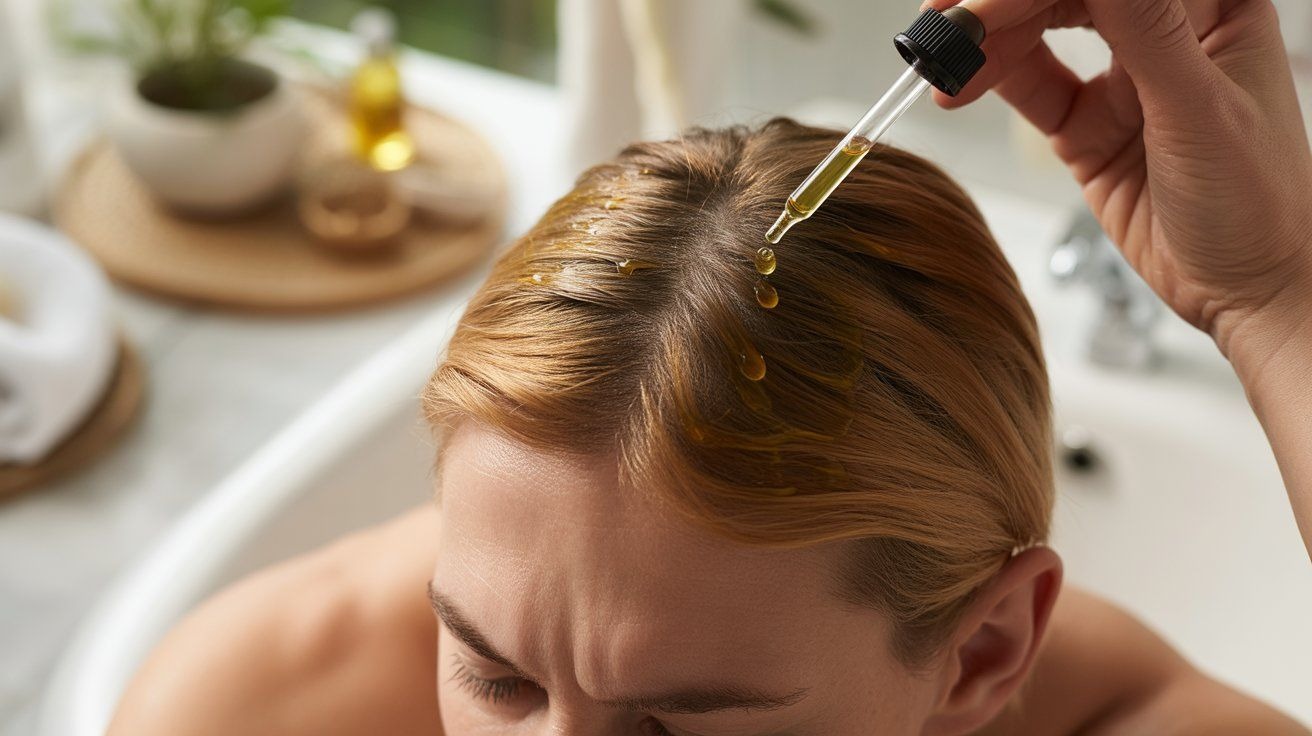
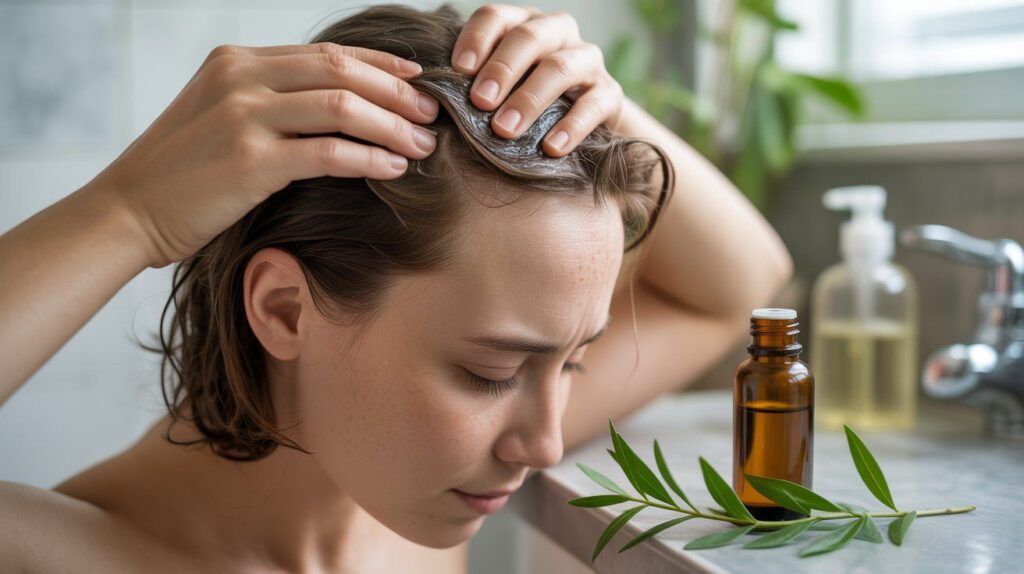
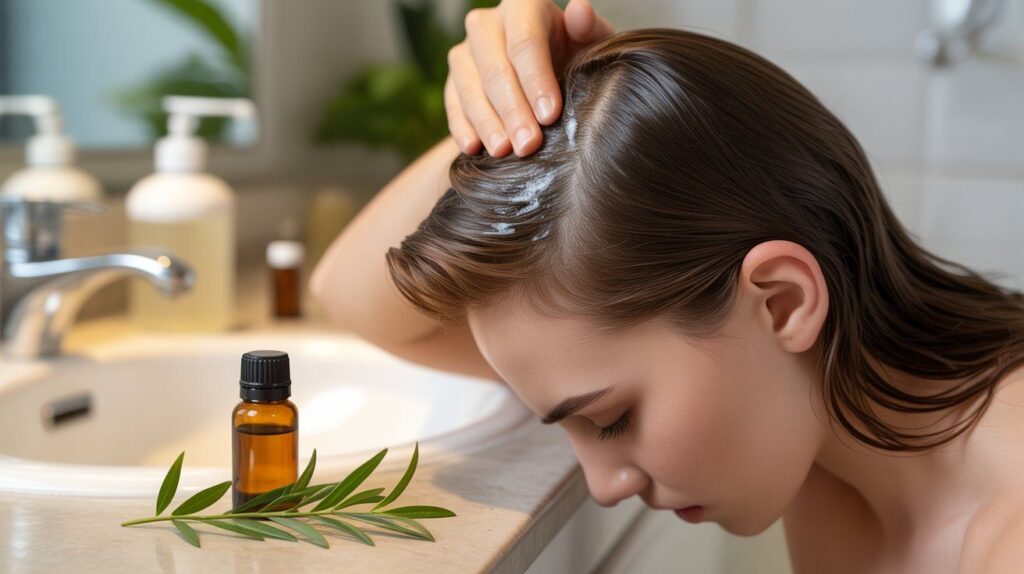
If you’re asking, “can I put tea tree oil in my hair,” it’s essential to prioritize safety and proper usage. Tea tree oil is highly concentrated, and using it directly on the scalp can cause redness, burning, or irritation. To avoid this, always dilute a few drops of tea tree oil with a carrier oil such as coconut, jojoba, or almond oil before application. This not only reduces the risk of irritation but also helps the oil spread evenly across the scalp.
Before applying the mixture to your entire scalp, perform a patch test on a small area of skin to check for allergic reactions or sensitivity. Once confirmed safe, gently massage the diluted oil into your scalp, focusing on areas prone to dryness, dandruff, or itchiness. Leave the oil on for 15–20 minutes to allow it to penetrate and work effectively. Finally, rinse thoroughly with lukewarm water and a mild shampoo.
For best results, repeat this process 2–3 times per week. Regular, controlled use promotes a healthier scalp environment, reduces flakiness, soothes irritation, and may even support hair growth, leaving your hair feeling refreshed, stronger, and naturally nourished.
Risks and Side Effects
| Step / Safety Measure | Action | Best Practice / Tip | Benefit / Result |
|---|---|---|---|
| Dilution 🧴 | Mix tea tree oil with a carrier oil (coconut, jojoba, or argan) | Use 1–2 drops of tea tree oil per teaspoon of carrier oil | Prevents scalp irritation and burning |
| Patch Test ✅ | Apply a small amount to a discreet area of skin | Wait 24 hours to check for allergic reactions | Ensures safety before full scalp application |
| Avoid Overuse ⏱️ | Use sparingly 1–2 times per week | Overuse can cause dryness or flaking | Maintains scalp moisture and hair health |
| Observe Reactions 👀 | Monitor scalp for redness, itching, or irritation | Discontinue if adverse effects occur | Prevents further damage and discomfort |
| Application Method 💇♀️ | Massage diluted oil gently into scalp | Focus on problem areas like dandruff or dryness | Promotes scalp health and improves hair condition |
Alternatives to Tea Tree Oil for Hair
If you’re unsure, “can I put tea tree oil in my hair,” or experience irritation, there are effective alternatives. Peppermint oil stimulates scalp circulation and may promote hair growth.
Lavender oil soothes irritation and reduces stress-related hair shedding. Rosemary oil improves scalp health and can help prevent thinning.
Each oil offers unique benefits and should be diluted with a carrier oil before use. Choosing the right alternative ensures a healthy scalp and nourished hair without risk.
Conclusion: Is Tea Tree Oil Right for Your Hair?
So, “can I put tea tree oil in my hair?” Yes, but only when diluted and applied correctly. Tea tree oil can improve scalp health, reduce dandruff, and promote stronger hair.
Always perform a patch test and avoid overuse to prevent dryness or irritation. If sensitivity occurs, discontinue use and consider alternatives like peppermint, lavender, or rosemary oil.
Safe and proper use ensures healthy, nourished hair while enjoying the benefits of this natural essential oil.
FAQ: Can I Put Tea Tree Oil in My Hair?
Q1: Can I put tea tree oil directly on my scalp?
No, always dilute tea tree oil with a carrier oil before applying to prevent irritation or burning.
Q2: How often should I use tea tree oil on hair?
Use 2–3 times per week for optimal benefits without causing dryness.
Q3: Can tea tree oil help with hair loss?
It may improve scalp health but isn’t a proven treatment for hair loss.

Jhanzaib Khan, with over 50 years of dedication to nature and tree conservation, is a leading authority in the world of trees and environmental care. From his early years exploring forests to guiding communities in sustainable tree planting, Jhanzaib has combined hands-on experience with a lifelong passion for the environment. He specializes in tree species identification, tree care, forest management, and environmental awareness. His insights have been featured in multiple nature blogs, workshops, and local conservation projects.