What tree is used to make canoes? Discover the best wood types like birch, cedar, and pine traditionally used for strong, durable canoes.
Traditional Trees Used to Make Canoes
For centuries, Indigenous peoples used specific trees to make canoes based on local availability and wood traits.
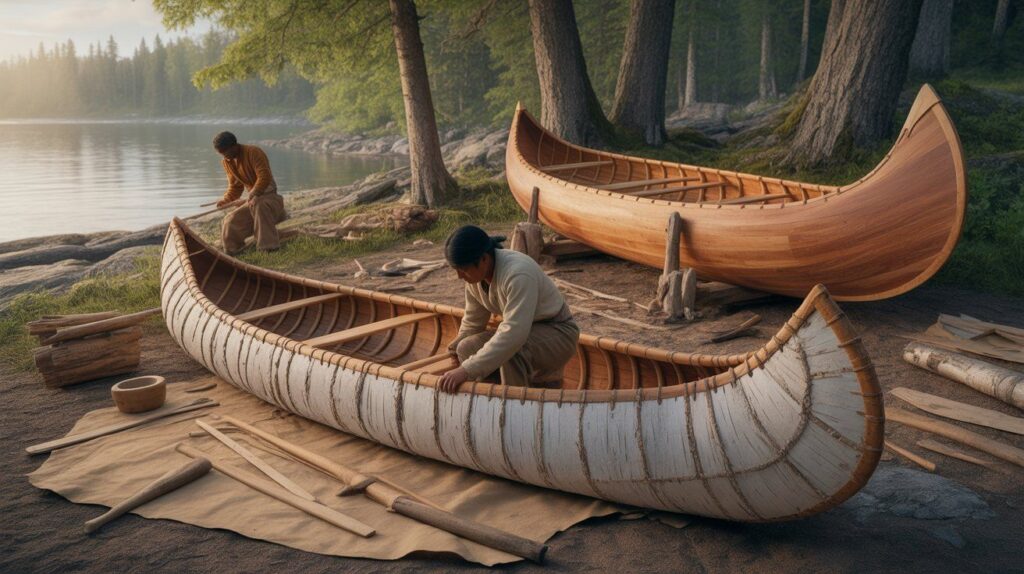
The birch tree was favored for birch bark canoes, prized for being lightweight, waterproof, and easy to repair.In coastal regions, cedar and cottonwood were shaped into dugout canoes, valued for their strength and buoyancy.
Other trees like pine and tulip poplar were also used for their smooth grain and workability. Each canoe tree offered unique advantages, influencing traditional canoe design across cultures and regions.
Modern Canoe Woods and Why Builders Still Prefer Cedar
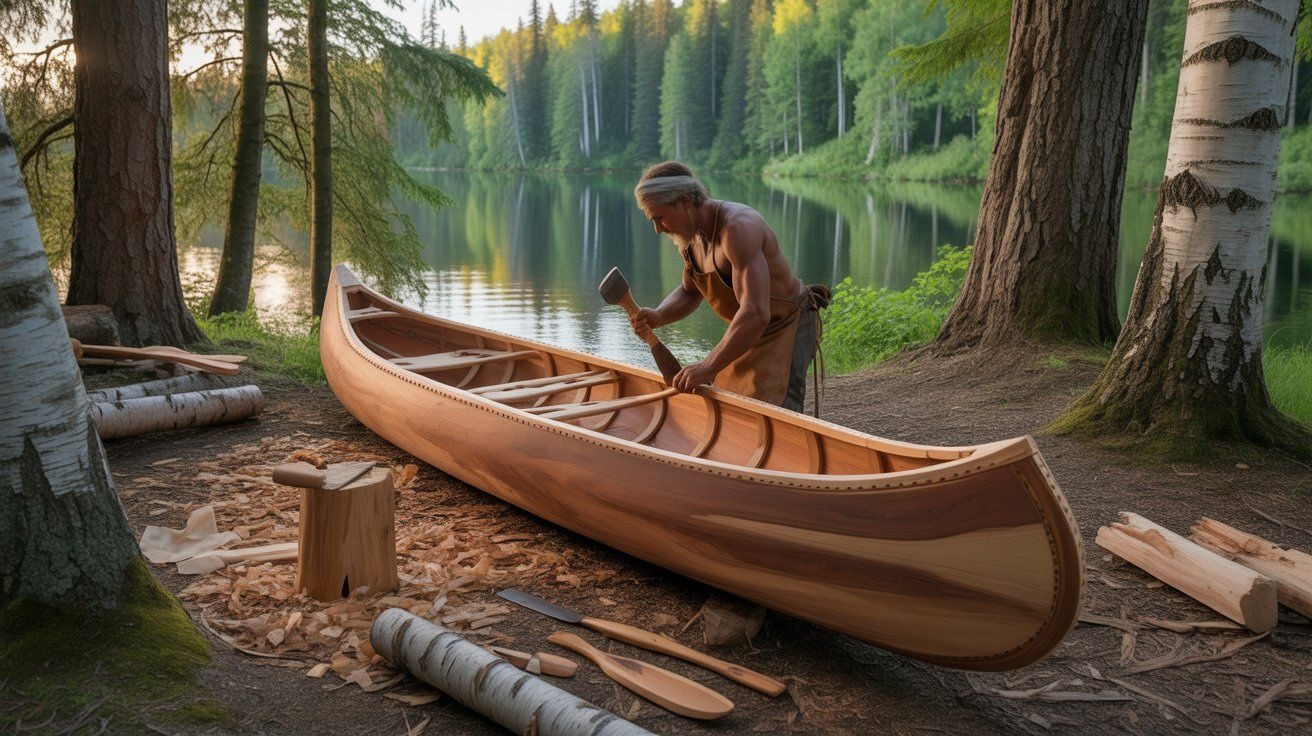
In modern craftsmanship, cedar remains the most popular wood for canoe building due to its light weight, rot resistance, and natural flexibility.
Many builders use northern white cedar or western red cedar for strip-built canoes, as they bend easily and hold shape well. Other choices like white oak, mahogany, and cypress offer durability and a beautiful finish.
Despite modern materials, the cedar tree for canoes continues to stand out, combining traditional reliability with modern performance for long-lasting, smooth paddling experiences.
Qualities That Make a Good Canoe Tree
| Tree Type 🌲 | Wood Strength 💪 | Weight & Flexibility ⚖️ | Water Resistance 💧 | Ideal Features for Canoe Building 🪵 |
|---|---|---|---|---|
| Cedar | Medium | Very light & flexible | Excellent rot resistance | Straight grain, easy to carve, buoyant on water |
| Birch | Strong | Moderately light | Good natural sealing properties | Smooth bark used in traditional birchbark canoes |
| Cypress | Medium-high | Light | Naturally decay-resistant | Easy to shape, stable, and long-lasting |
| Pine | Medium | Lightweight | Fair resistance with treatment | Affordable and easy to work with for beginners |
| Redwood | High | Moderate | Strong resistance to moisture | Great for premium canoes requiring longevity |
How to Identify and Select the Right Tree for Canoe Building
When choosing what tree is used to make canoes, focus on straight trunks, tight grain, and low moisture content.
Trees like white cedar, birch, and cypress grow tall with minimal knots, making them ideal for carving or bending. Always select mature trees with healthy bark and no signs of decay. The right canoe wood ensures better balance, durability, and ease of crafting.
Whether building traditional or modern canoes, the selection process directly impacts strength, weight, and performance on water.
Modern Alternatives to Traditional Canoe Woods
While traditional builders relied on birch or cedar, modern canoe making now includes innovative materials like fiberglass, Kevlar, and carbon fiber.
These alternatives offer greater durability, lightweight strength, and low maintenance compared to natural wood. However, many craftsmen still prefer the aesthetic appeal and natural buoyancy of wood canoes.
Combining wood strips with modern resins creates a hybrid design — balancing tradition and technology. Choosing between traditional wood and modern materials depends on your usage, budget, and maintenance preference.
Preserving and Maintaining Wooden Canoes
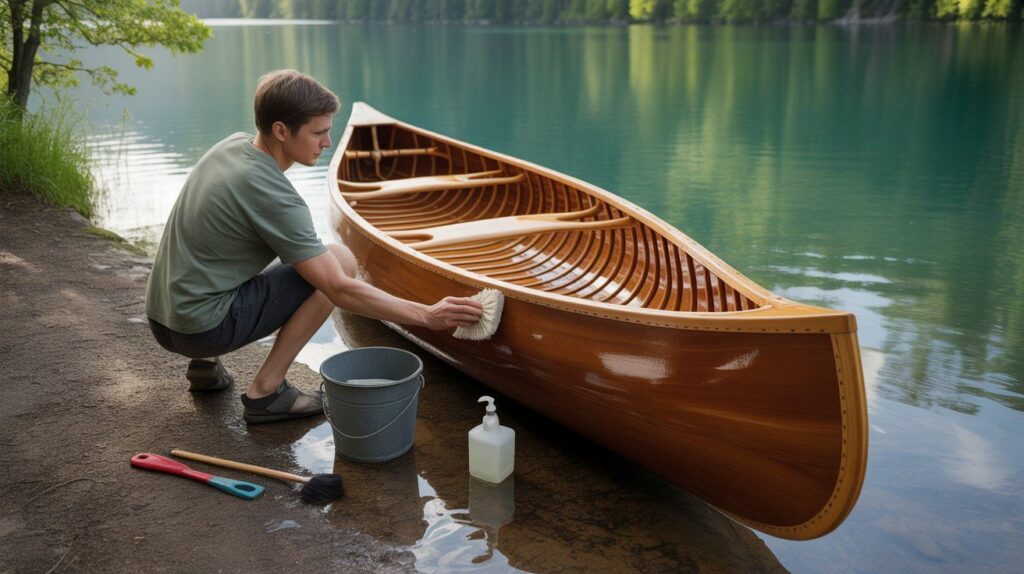
Proper maintenance is essential to extend the life of a wooden canoe. Regularly applying marine-grade varnish or oil finish helps protect the wood from moisture, UV damage, and rot.
Always store your canoe in a cool, dry place, away from direct sunlight and excessive humidity. Inspect the hull for cracks or leaks after every trip and repair promptly to prevent damage.
Periodic cleaning with mild soap and water also maintains the canoe’s shine and longevity, keeping it adventure-ready for years.
Conclusion – The Legacy of Wooden Canoes
The art of crafting canoes from trees like birch, cedar, and spruce carries a deep connection to nature and heritage. These woods offer a perfect balance of strength, lightness, and durability, making them ideal for navigating calm lakes or flowing rivers.
Whether for traditional craftsmanship or modern recreation, understanding what tree is used to make canoes helps preserve this ancient skill. With proper care, these wooden canoes continue to tell stories of adventure, culture, and respect for the natural world.
FAQ: What Tree Is Used to Make Canoes?
Q1: Which trees were traditionally used for canoes?
Birch, cedar, cottonwood, pine, and tulip poplar were popular choices.
Q2: Why is cedar preferred today?
It’s lightweight, rot-resistant, flexible, and easy to shape.
Q3: What makes a good canoe tree?
Straight grain, minimal knots, fine texture, and buoyant wood.
Q4: Are modern materials used?
Yes—fiberglass, Kevlar, and carbon fiber provide strength and low maintenance.
Q5: How can I maintain a wooden canoe?
Use marine varnish, store dry, and inspect regularly for cracks.

Jhanzaib Khan, with over 50 years of dedication to nature and tree conservation, is a leading authority in the world of trees and environmental care. From his early years exploring forests to guiding communities in sustainable tree planting, Jhanzaib has combined hands-on experience with a lifelong passion for the environment. He specializes in tree species identification, tree care, forest management, and environmental awareness. His insights have been featured in multiple nature blogs, workshops, and local conservation projects.