Can you eat trees? Learn which parts like bark, leaves, and fruit are edible, safe ways to consume them, and what to avoid.
What Parts of a Tree Are Edible?
When asking, “can you eat trees,” it’s essential to know which tree parts are actually safe to consume. The most edible parts include the inner bark (cambium), tree sap, young leaves, flowers, and seeds.
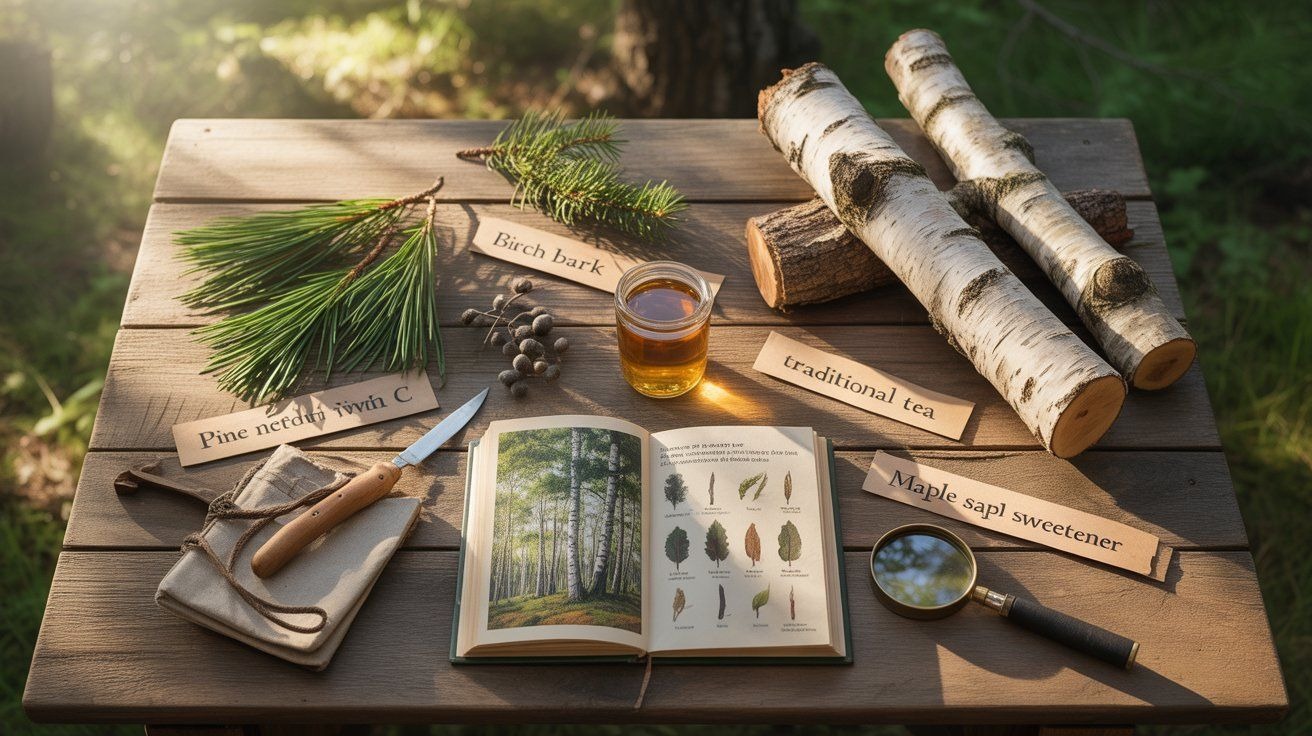
Trees like birch, pine, and maple are popular for their nutrient-rich sap and edible bark, often used in teas, syrups, or flour.
However, humans cannot digest cellulose, so the wood itself isn’t edible. Focusing on these natural food sources ensures safety while exploring wild edible trees.

Nutritional Value and Survival Uses of Edible Trees
If you’ve ever wondered can you eat trees for survival, the answer is yes—partially. Edible tree parts like inner bark, pine needles, and sap offer vitamins, minerals, and antioxidants.
For example, pine needle tea is packed with vitamin C, while birch sap provides natural sugars for energy. In survival situations, people have ground tree cambium into bark flour or consumed tree sap syrup for nourishment.
Though not calorie-dense, these tree foods can sustain energy and boost nutrition in the wilderness.
What Trees You Should Not Eat (Toxic Species)
| Tree Name 🌳 | Toxic Part ☠️ | Possible Effects ⚠️ | Safety Tip 📝 |
|---|---|---|---|
| Cherry Tree | Bark, leaves | Nausea, dizziness, cyanide toxicity | Do not consume; only use commercially processed fruit safely |
| Yew | All parts (leaves, seeds, bark) | Vomiting, heart problems, potentially fatal | Avoid entirely; extremely poisonous |
| Black Locust | Bark, seeds, leaves | Gastrointestinal distress, weakness | Do not ingest any part of the tree |
| Oleander | Leaves, flowers, stems | Nausea, irregular heartbeat, death in high doses | Highly toxic; ne |
How to Eat Trees Safely and Sustainably
When learning can you eat trees, safety and sustainability should come first. Always harvest tree parts like bark, sap, or leaves in small amounts to avoid harming the tree.
Never strip bark completely—this can kill it. Choose untreated, pesticide-free trees from clean areas. For safe preparation, boil pine needles, dry and grind inner bark into flour, or collect sap for syrup.
Following these foraging practices ensures you enjoy edible tree parts responsibly while protecting forests for future generations.
Can You Eat Trees for Nutrition or Survival?
In survival situations, knowing can you eat trees can make a big difference. Certain edible tree parts like pine needles, birch bark, and maple sap provide essential vitamins, minerals, and quick energy.
While tree foods aren’t rich in calories, they help sustain the body when other food sources are scarce. Many foragers use bark flour or tree sap syrup as temporary nutrition.
Still, trees should supplement—not replace—your diet, as cellulose remains indigestible for humans. Use tree foraging wisely in emergencies.
Tips for Responsible Tree Foraging
When exploring can you eat trees, practicing responsible foraging is essential. Always identify tree species accurately before harvesting bark, leaves, or sap.
Only take small amounts to avoid harming the tree, and avoid trees treated with pesticides or chemicals. Use proper tools to collect edible tree parts safely, and rotate harvesting spots to allow trees to recover.
Following these foraging guidelines ensures you can enjoy wild tree foods sustainably while preserving the forest ecosystem for future generations.

Conclusion – So, Can You Eat Trees?
So, can you eat trees? Yes—but only certain parts and with proper knowledge. The inner bark, sap, leaves, and seeds of specific trees like pine, birch, and maple can be safe and nutritious.
However, eating tree wood or unknown species can be toxic. Understanding which trees are edible and how to prepare them correctly ensures safety and sustainability.
When done responsibly, eating trees connects us to nature’s hidden resources and the ancient practice of foraging for survival and nourishment.
FAQs About Eating Trees
Q1: Can you eat wood from a tree?
No, humans cannot digest wood cellulose, but inner bark and sap are edible.
Q2: What parts of trees are safe to eat?
Edible tree parts include inner bark (cambium), young leaves, sap, flowers, and seeds from trees like birch, maple, and pine.
Q3: Are some trees poisonous to eat?
Yes—avoid yew, cherry, and black locust; their bark, leaves, or sap can be toxic.
Q4: How do you prepare edible tree parts safely?
Boil pine needles, grind inner bark into flour, or collect sap for syrup.

Jhanzaib Khan, with over 50 years of dedication to nature and tree conservation, is a leading authority in the world of trees and environmental care. From his early years exploring forests to guiding communities in sustainable tree planting, Jhanzaib has combined hands-on experience with a lifelong passion for the environment. He specializes in tree species identification, tree care, forest management, and environmental awareness. His insights have been featured in multiple nature blogs, workshops, and local conservation projects.