
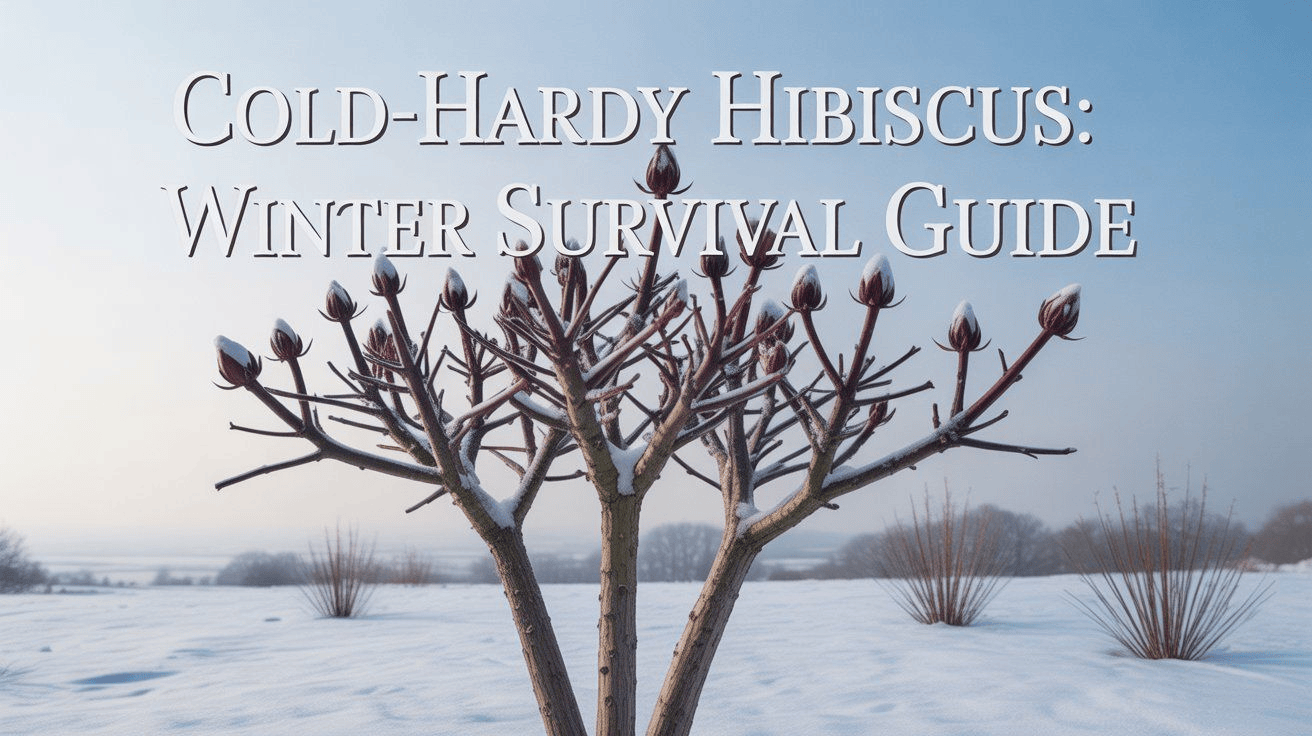
Can a hibiscus tree survive winter? Learn how to protect it from frost, store it indoors, and keep it thriving through the cold months.
Tropical vs Hardy Hibiscus — Which Can Handle the Cold?
Not all hibiscus trees are built for cold weather. Tropical hibiscus (Hibiscus rosa-sinensis) thrives in warm climates but struggles once temperatures dip below 40°F (4°C). On the other hand, hardy hibiscus varieties, such as Hibiscus syriacus and Hibiscus moscheutos, can survive harsh winters down to -20°F (-29°C) with proper care.
Understanding the difference between tropical and hardy hibiscus helps you decide how to protect your hibiscus tree in winter and whether to bring it indoors or mulch it outdoors for safe overwintering.
How Cold Can a Hibiscus Tree Tolerate?
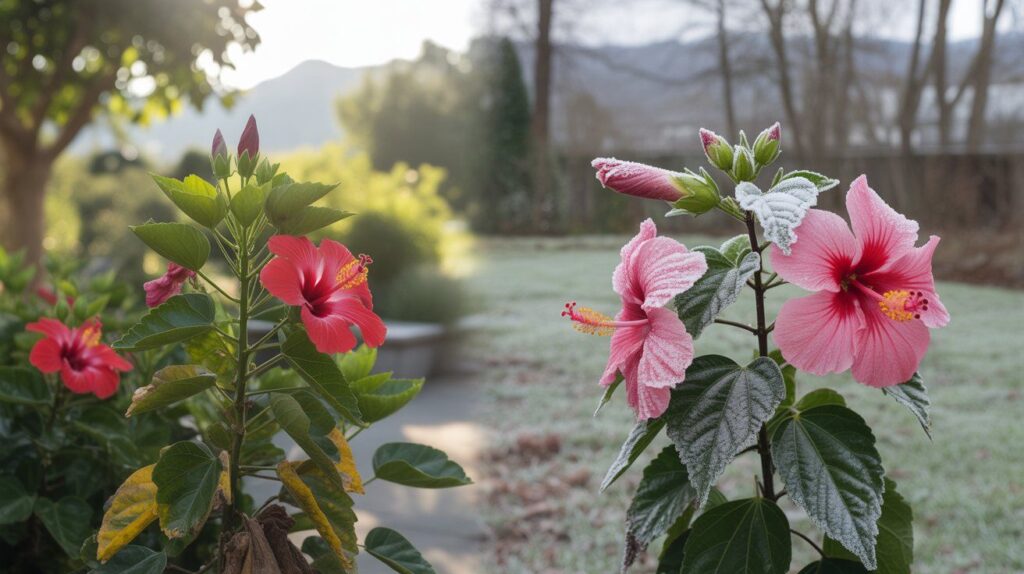
When asking can a hibiscus tree survive the winter, it’s essential to know its cold tolerance. Tropical hibiscus trees start showing stress below 45°F (7°C) and may die if exposed to frost. In contrast, hardy hibiscus varieties can withstand temperatures as low as -20°F (-29°C) once they go dormant.
To ensure survival, keep tropical types indoors during freezing conditions, while hardy ones need mulching around the roots. Understanding your hibiscus tree’s temperature limits is the first step to keeping it healthy through winter.
Preparing a Hibiscus Tree for Winter
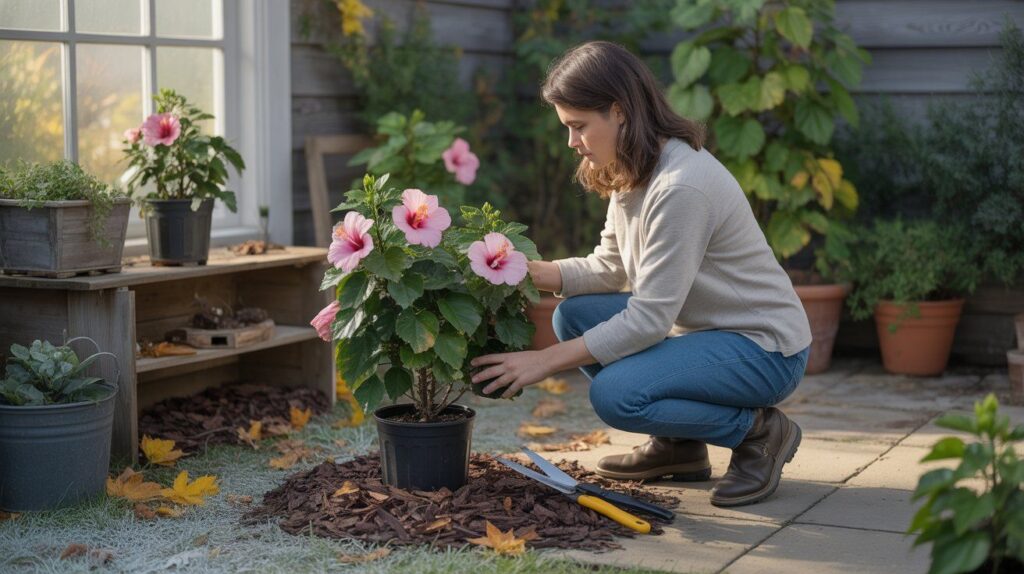
Proper hibiscus winter care starts before the first frost. Begin by pruning dead or weak branches and reducing watering as temperatures drop. For tropical hibiscus, move the plant indoors to a sunny spot where it stays above 55°F (13°C).
For hardy hibiscus trees, apply 3–4 inches of mulch around the base to protect roots from freezing. Avoid overwatering during winter dormancy. By preparing early, you can help your hibiscus tree survive the winter and ensure it regrows beautifully in spring.
Indoor Care Tips for Hibiscus During Winter
If you’re bringing your hibiscus tree indoors for winter, ensure it receives at least 6 hours of sunlight daily—preferably near a south-facing window. Keep indoor temperatures between 60–75°F (15–24°C) and maintain humidity using a humidifier or water tray.
Avoid placing the plant near heaters or cold drafts, as sudden temperature changes can cause leaf drop. Lightly fertilize every 6–8 weeks and water only when the topsoil feels dry. These steps help your hibiscus tree survive the winter and stay vibrant indoors.
Common Mistakes to Avoid When Overwintering Hibiscus
| Issue / Mistake | What Happens | Prevention Tips | Expert Insight |
|---|---|---|---|
| 💧 Overwatering | Roots suffocate and rot in soggy soil | Water only when the top inch of soil feels dry | Use well-draining soil and reduce watering frequency in winter |
| 🔥 Keeping Indoors Too Warm | Plant fails to enter dormancy and weakens | Maintain a cool room temperature (55–65°F / 13–18°C) | A short dormant phase helps hibiscus conserve energy |
| 🌤 Lack of Light | Leaves drop and growth becomes leggy | Place near bright windows or use grow lights | Aim for at least 6 hours of bright, indirect light daily |
| ✂️ Pruning Too Early | Reduces spring bloom potential | Wait until early spring to trim | Late pruning promotes fuller, healthier growth next season |
Signs Your Hibiscus Is Struggling in Winter
If your hibiscus tree is dropping leaves, showing yellow foliage, or producing wilted stems, it may be reacting to cold stress or insufficient light. Dry indoor air can also cause bud drop and leaf curling.
Another sign is root damage due to overwatering or poor drainage. Check for soft or blackened roots, which indicate rot. To help recovery, reduce watering, improve light exposure, and maintain consistent temperatures between 55–65°F. Addressing these issues early helps your hibiscus stay healthy and resilient through winter.
Tips for Reviving a Winter-Damaged Hibiscus
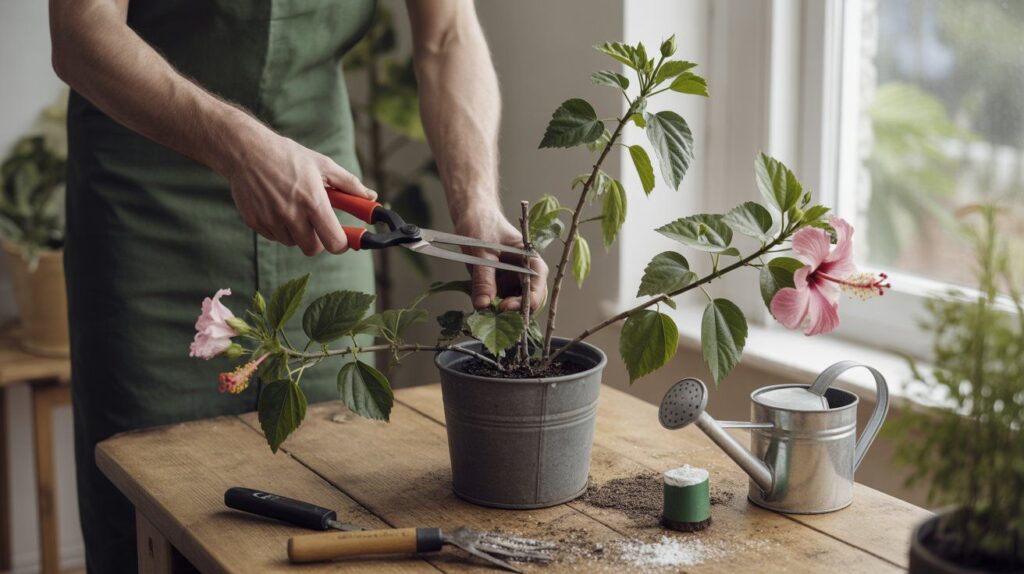
If your hibiscus tree suffers from winter damage, don’t panic—recovery is possible. Start by pruning dead or brittle branches to encourage new growth. Move the plant to a warm, sunny location with at least 6 hours of light daily.
Water sparingly but consistently, keeping the soil slightly moist—never soggy. Add a slow-release fertilizer once new leaves appear. Avoid drafts and sudden temperature changes. With proper care, light, and pruning, your hibiscus can bounce back stronger and thrive when spring returns.
Common Mistakes When Caring for Hibiscus in Winter
Many gardeners unintentionally harm their hibiscus trees during winter by overwatering or exposing them to cold drafts. One major mistake is leaving the plant outdoors when temperatures drop below 50°F (10°C)—hibiscus cannot tolerate frost.
Another common error is insufficient sunlight, which weakens the plant and slows growth. Avoid using heavy fertilizers during dormancy, as this can stress the roots. Instead, focus on light pruning, minimal watering, and consistent indoor warmth to ensure your hibiscus survives winter in healthy condition.
Signs Your Hibiscus Is Struggling in Winter
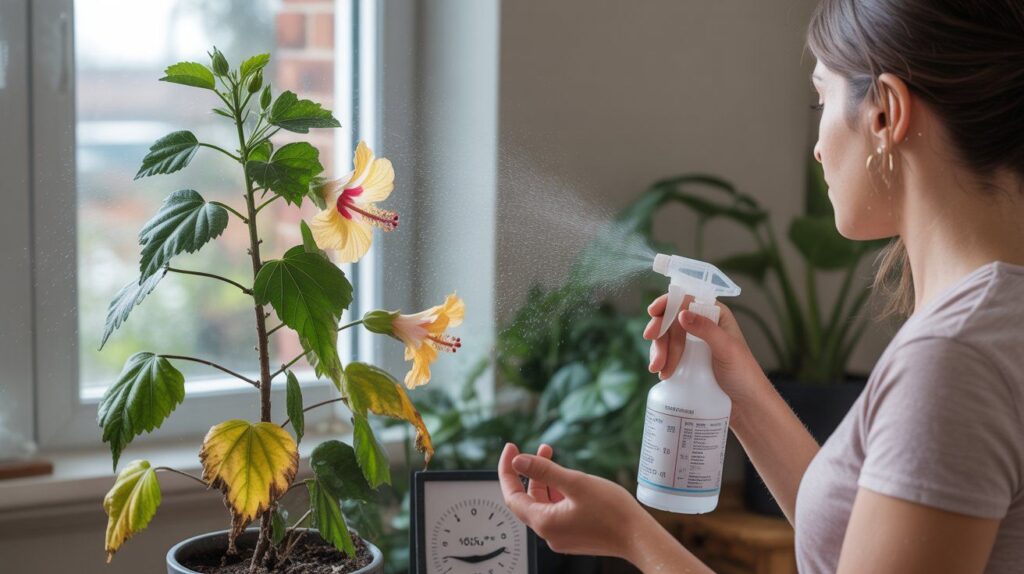
If your hibiscus tree shows yellowing leaves, wilting, or leaf drop, it may be reacting to cold temperatures or low humidity. These are early warning signs that your plant is under stress. Another sign is stunted growth or dry soil, indicating it’s not receiving enough moisture or warmth.
To help your hibiscus survive winter, move it to a brighter spot, mist the leaves regularly, and maintain stable indoor temperatures around 60–70°F. Timely care prevents long-term damage and dormancy issues.
FAQ: Can a Hibiscus Tree Survive the Winter?
Q1: Can tropical hibiscus survive freezing temperatures?
No, tropical varieties die below 40°F (4°C) and must be brought indoors.
Q2: How cold can hardy hibiscus tolerate?
Hardy types can survive down to -20°F (-29°C) when mulched properly.
Q3: Should I prune before winter?
Yes, lightly prune dead or weak branches before frost.
Q4: How can I protect indoor hibiscus?
Provide 6+ hours of sunlight, steady warmth, and moderate watering.

Jhanzaib Khan, with over 50 years of dedication to nature and tree conservation, is a leading authority in the world of trees and environmental care. From his early years exploring forests to guiding communities in sustainable tree planting, Jhanzaib has combined hands-on experience with a lifelong passion for the environment. He specializes in tree species identification, tree care, forest management, and environmental awareness. His insights have been featured in multiple nature blogs, workshops, and local conservation projects.