Can tea tree oil get rid of keloids? Learn if it helps reduce scar appearance, proper application, and what science says about effectiveness.
What Are Keloids?
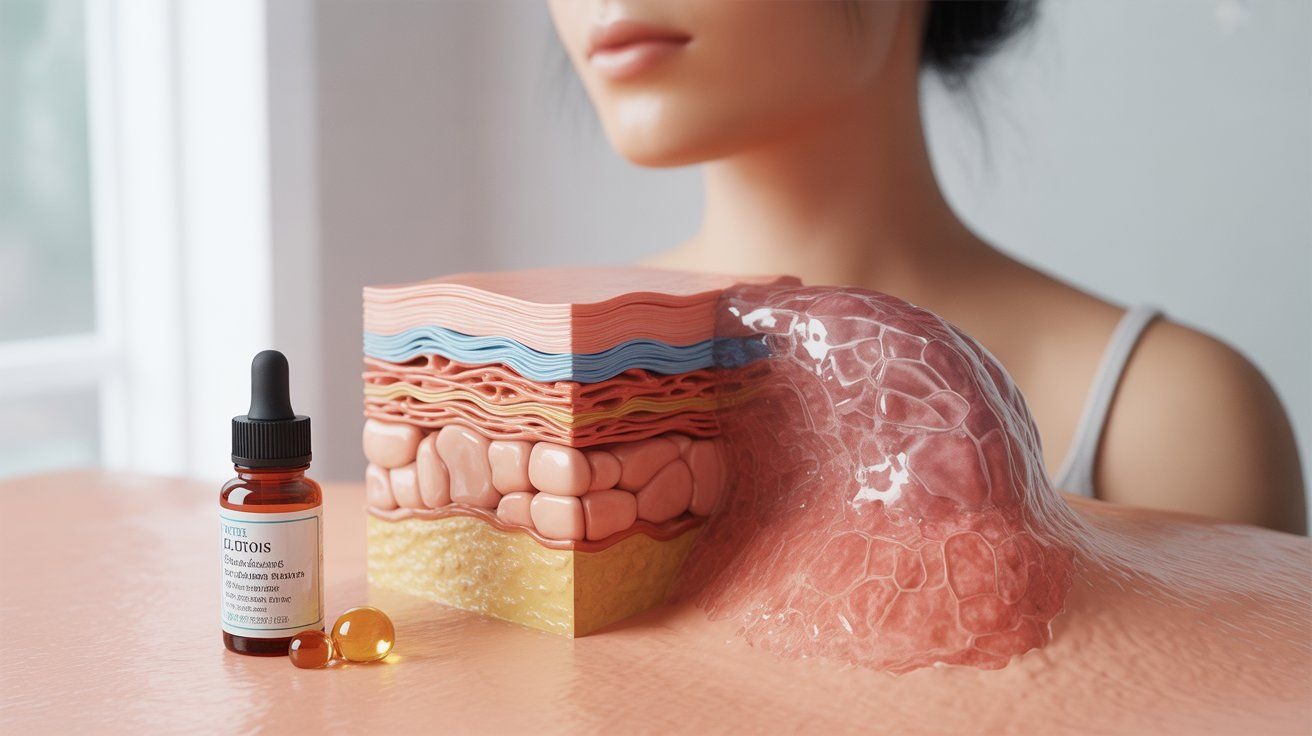
Keloids are raised, thickened scars that form when the body produces too much collagen during the healing process. Unlike regular scars, keloid scars can grow beyond the original wound and may feel firm or itchy. They often appear after injuries, surgery, acne, or piercings.
While harmless, they can affect self-confidence and comfort. Understanding what keloids are is essential before exploring treatments. Natural remedies like tea tree oil for keloid scars may help with minor inflammation, but professional options are usually more effective for significant scars.
Understanding Tea Tree Oil
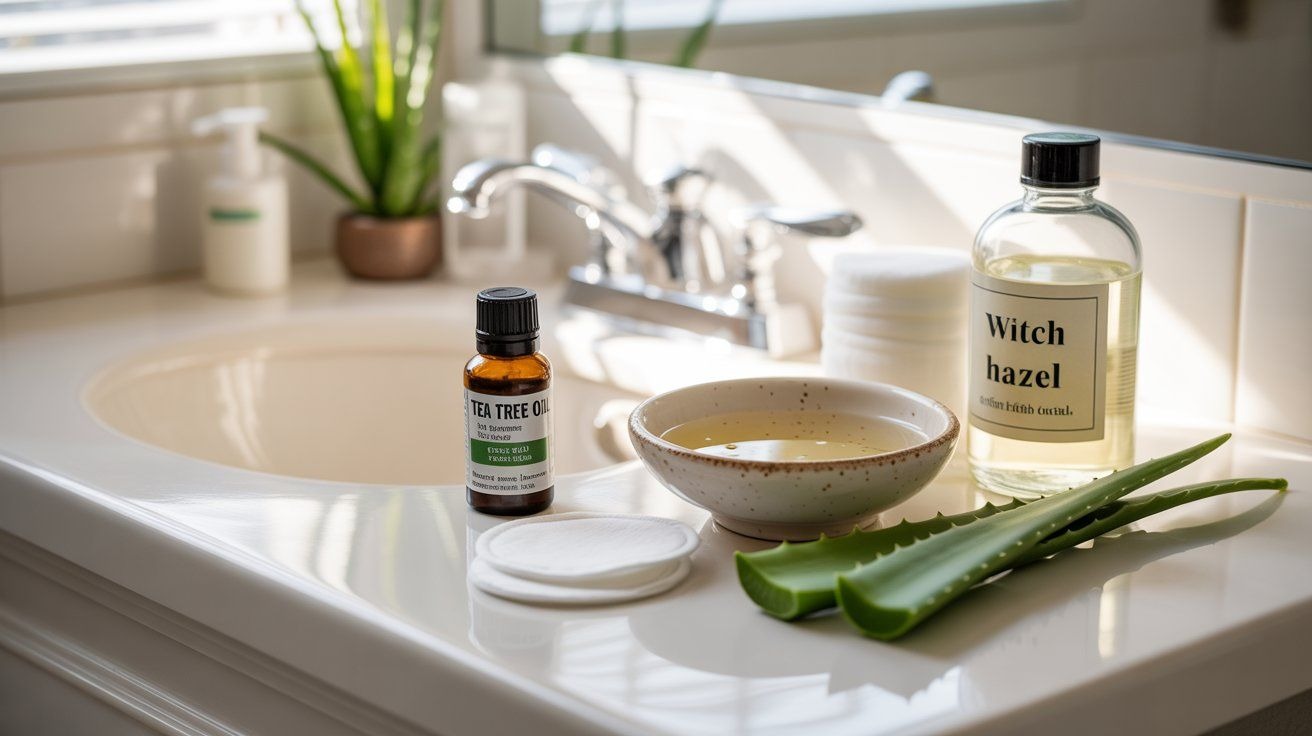
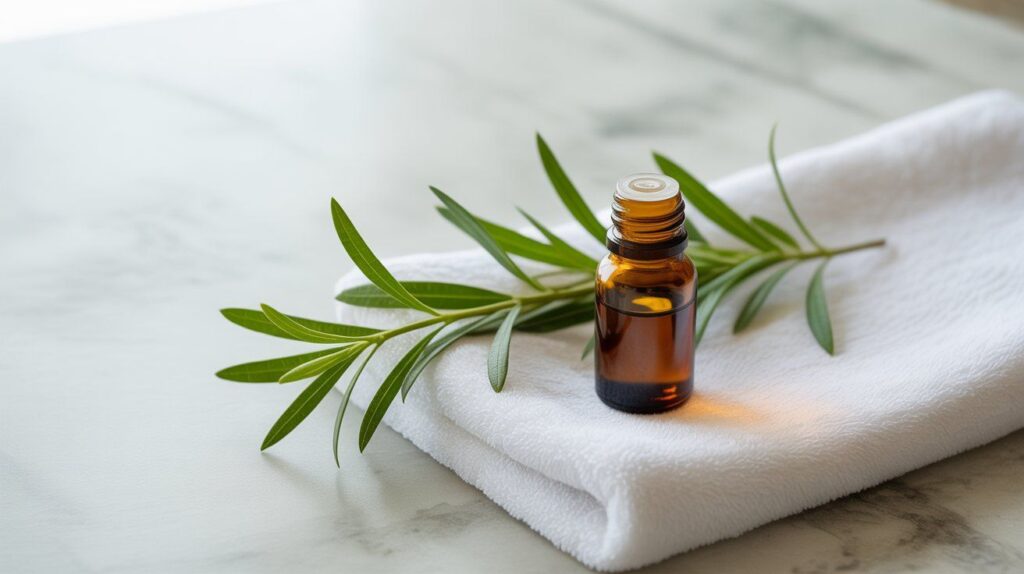
Tea tree oil is a natural essential oil extracted from the leaves of the Australian Melaleuca alternifolia tree. Known for its antimicrobial and anti-inflammatory properties, it’s commonly used in skin care to treat acne, minor cuts, and infections.
Many people consider tea tree oil for keloid scars because it may reduce inflammation and prevent infection during healing. While it won’t remove thick keloids, it can support overall skin healing and may complement other professional or natural scar treatment methods.
Can Tea Tree Oil Get Rid of Keloids?
Many wonder, can tea tree oil get rid of keloids completely. The truth is, there’s limited scientific evidence showing it can flatten or remove established keloid scars. However, tea tree oil for keloid scars may help reduce inflammation and prevent infection in healing skin, which could slightly lower the risk of new keloid formation.
While it’s a popular natural remedy for scars, dermatologists recommend combining it with proven scar treatment methods for noticeable results.
Safe Application of Tea Tree Oil
| Step / Safety Measure | Action | Tip / Best Practice | Benefit / Result |
|---|---|---|---|
| Dilution 🧴 | Mix tea tree oil with a carrier oil (coconut, jojoba) | Typical ratio: 1–2 drops of tea tree oil per teaspoon of carrier oil | Prevents skin irritation and reduces risk of burns |
| Patch Test ✅ | Apply a small amount on a discreet skin area 24 hours before full use | Monitor for redness, itching, or rash | Detects allergic reactions early for safety |
| Application Frequency ⏱️ | Apply a small amount to keloid scars once or twice daily | Avoid broken or inflamed skin | Provides gentle support for scar healing |
| Monitoring 👀 | Observe skin response daily | Stop use if irritation occurs | Ensures safe continued usage and prevents worsening |
| Additional Care 🌿 | Combine with other scar care practices (moisturizing, sun protection) | Maintain consistent routine | Helps improve overall scar appearance and skin health |
Professional Treatments for Keloids
For persistent keloid scars, professional treatments are often more effective than tea tree oil alone. Corticosteroid injections can reduce inflammation and flatten raised keloids, while laser therapy improves skin texture and reduces redness.
Cryotherapy freezes scar tissue, and surgical removal may be considered for large keloids, often combined with other scar treatment methods to prevent recurrence. Silicone sheets and gels also help soften and flatten scars, making them a reliable complement to natural remedies like tea tree oil for keloid scars.
Alternatives to Tea Tree Oil for Scar Treatment
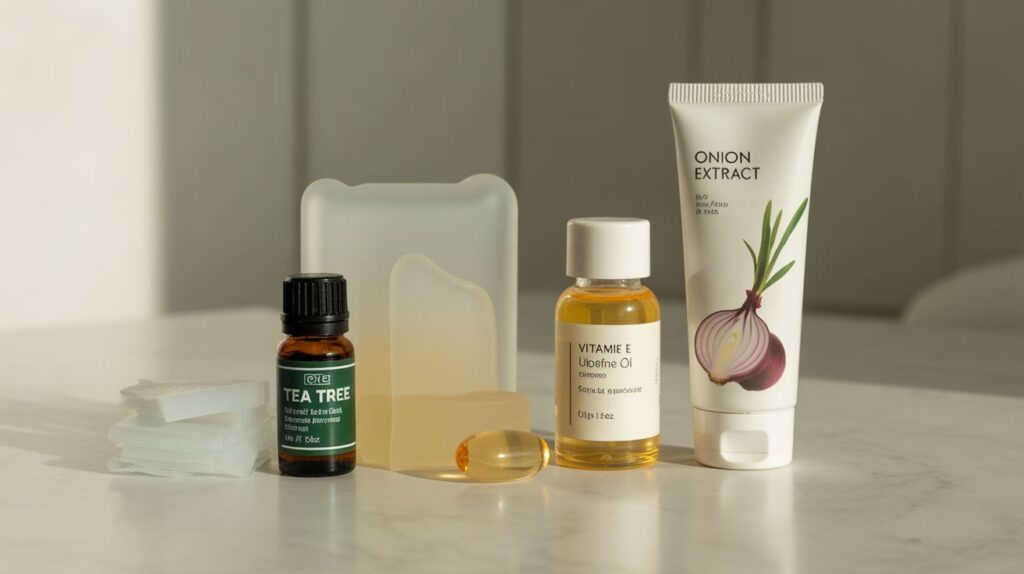
If tea tree oil alone isn’t enough, several alternatives can help manage keloid scars. Silicone gel sheets and topical gels are clinically proven to flatten and soften keloids. Onion extract offers anti-inflammatory benefits, while vitamin E supports skin elasticity and overall scar healing.
Pressure garments can prevent keloid formation after surgery. Combining these methods with careful use of tea tree oil for keloid scars can enhance results and improve skin appearance over time.
Conclusion
While tea tree oil offers anti-inflammatory and skin-healing benefits, it cannot fully remove established keloid scars. Using tea tree oil for keloid scars may help reduce minor inflammation and prevent infection, but professional scar treatment methods remain the most effective option for noticeable results.
Combining natural remedies with clinical approaches, such as corticosteroid injections or silicone gels, provides the best chance of improving keloid appearance. Always consult a dermatologist before starting any treatment plan for keloid scars.
FAQs About Tea Tree Oil and Keloids
Q1: Can tea tree oil get rid of keloids?
No, tea tree oil cannot completely remove keloid scars, but it may reduce inflammation and support scar healing.
Q2: How do I apply tea tree oil for keloid scars?
Always dilute tea tree oil with a carrier oil and perform a patch test before applying to keloids.
Q3: Are there better treatments for keloid scars?
Yes, professional scar treatment like corticosteroid injections, laser therapy, or silicone gels is more effective than tea tree oil alone.

Jhanzaib Khan, with over 50 years of dedication to nature and tree conservation, is a leading authority in the world of trees and environmental care. From his early years exploring forests to guiding communities in sustainable tree planting, Jhanzaib has combined hands-on experience with a lifelong passion for the environment. He specializes in tree species identification, tree care, forest management, and environmental awareness. His insights have been featured in multiple nature blogs, workshops, and local conservation projects.