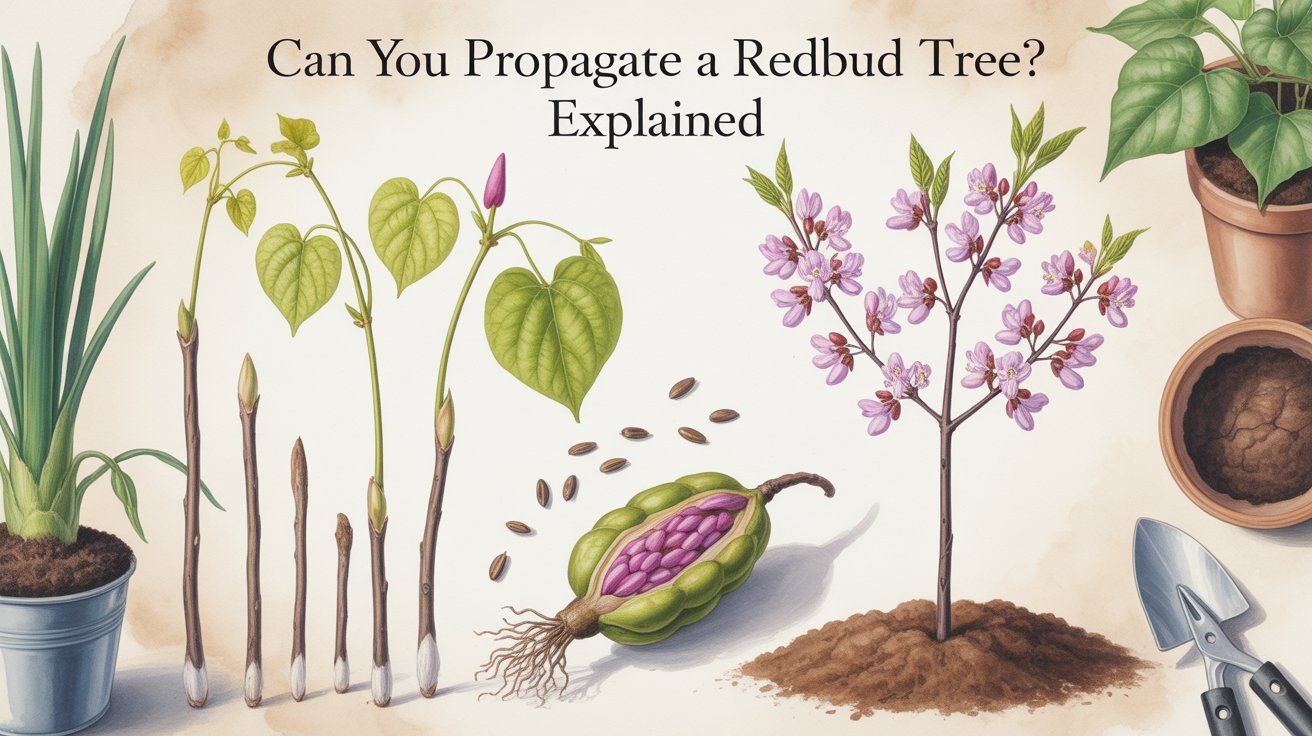
Discover how to propagate a redbud tree. Step-by-step tips on growing new trees from seeds, cuttings, and layering techniques.
Why Propagate Redbud Trees?
One reason many gardeners ask, can you propagate a redbud tree, is the desire to grow more of these ornamental trees without purchasing new ones. Redbuds are admired for their vibrant pink flowers, which bloom early in spring and attract pollinators like bees and butterflies.
Propagation allows you to expand your landscape naturally, ensuring consistency in color and growth patterns. It’s also a sustainable and cost-effective way to preserve native Eastern redbud varieties, making your garden both beautiful and eco-friendly.
Propagation Methods Explained
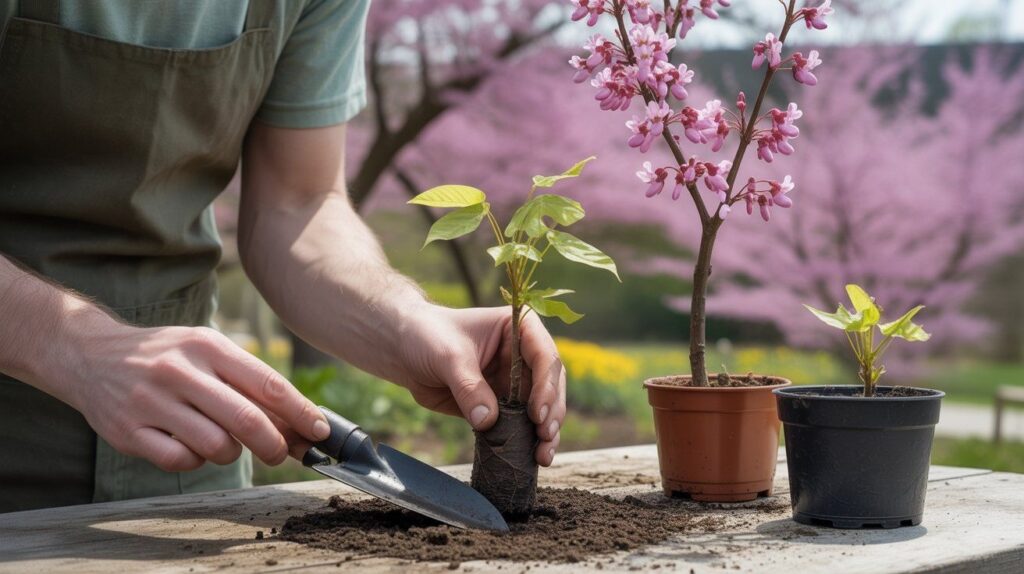
When learning can you propagate a redbud tree, it’s important to know the main methods. Gardeners typically use cuttings, seeds, or grafting. Cuttings involve taking young stems and encouraging them to form roots. Seeds can be planted but often require scarification or cold stratification to germinate.
Grafting is another option, usually for maintaining specific traits of cultivated varieties. Each method has unique challenges, but with patience and proper care, you can successfully grow new redbud trees in your garden.
Propagating Redbud Trees from Cuttings
One of the most effective ways to answer can you propagate a redbud tree is by using cuttings. This method involves selecting healthy, semi-hardwood stems during late spring or early summer.
Trim a 6–8 inch piece, remove the lower leaves, and dip the cut end in rooting hormone to encourage root development. Place the cutting in moist, well-draining soil and cover it with a humidity dome or plastic bag. With consistent moisture and warmth, new roots typically form within weeks.
Propagating Redbud Trees from Seeds
| Propagation Step | Action / Method | Purpose / Effect | Timeframe / Notes |
|---|---|---|---|
| Seed Collection | Gather mature redbud seed pods | Ensure viable seeds for propagation | Collect in late summer or early fall |
| Scarification | Nick seed coat or soak in hot water | Breaks dormancy and softens seed shell | Prepares seeds for germination |
| Stratification | Chill seeds in moist soil for 6–8 weeks | Mimics winter conditions to trigger sprouting | Keep at ~40°F (4°C) for best results |
| Planting | Sow in well-draining potting mix | Provides aeration and moisture balance | Plant ¼–½ inch deep |
| Germination & Care | Maintain light moisture and warmth | Encourages seedling growth | Sprouts appear in several weeks—patience required |
Air Layering Method for Redbud Trees
If you’re wondering can you propagate a redbud tree with other techniques, air layering is another option. This method involves wounding a healthy branch and wrapping it with moist sphagnum moss and plastic to encourage root growth while still attached to the parent tree.
Over time, roots will develop in the wrapped area. Once strong enough, the branch can be cut and planted separately. Air layering offers a higher success rate than seeds and is useful for quicker establishment.
Best Time for Propagation
Timing plays a vital role when asking can you propagate a redbud tree. The best time to start propagation is in late spring through early summer, when the tree is actively growing, and conditions favor new root development.
During this period, redbuds have enough warmth and moisture to support healthy cuttings or air-layered branches. Avoid winter or extreme heat, as stress can reduce success. Choosing the right season ensures your propagation efforts have the highest chance of thriving.
Care Tips for Young Redbud Trees
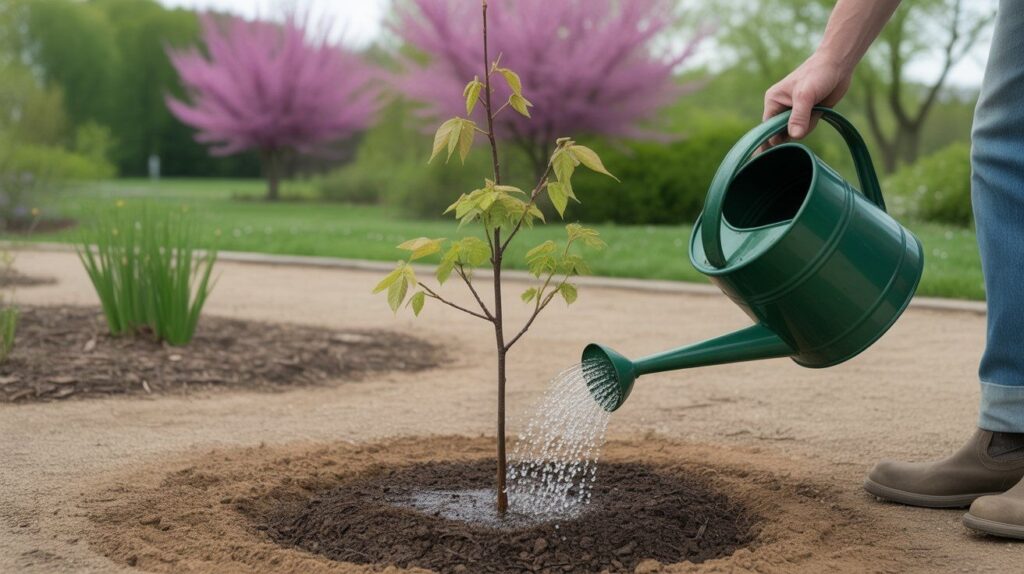
Once you’ve figured out can you propagate a redbud tree, it’s equally important to focus on care for young plants. Newly propagated redbuds require consistent watering to keep the soil evenly moist but not soggy.
Place them in well-draining soil with access to partial sunlight for steady growth. Adding mulch helps retain moisture and regulate temperature. Protect young trees from strong winds or pests during their early stages. Proper care ensures the new redbud develops into a healthy, thriving tree.
Common Challenges in Propagation
While exploring can you propagate a redbud tree, it’s important to recognize the challenges that may arise. Redbud cuttings often struggle to form roots, making patience and proper technique essential. Inadequate moisture, poor soil drainage, or lack of rooting hormone can reduce success rates.
Seasonal timing also plays a critical role; cuttings taken outside the growing season may fail. Being aware of these obstacles helps gardeners adjust their methods, increasing the likelihood of successful propagation.
FAQ: Can You Propagate a Redbud Tree?
Q1: Why propagate redbud trees?
To expand your garden sustainably, save costs, and enjoy vibrant spring flowers.
Q2: What are common propagation methods?
Cuttings, seeds, grafting, and air layering.
Q3: Which method works best?
Cuttings and air layering often root faster than seeds.
Q4: When is the best time to propagate?
Late spring to early summer, during active growth.
Q5: What challenges may occur?
Cuttings may fail to root, poor timing or drainage lowers success rates.

Jhanzaib Khan, with over 50 years of dedication to nature and tree conservation, is a leading authority in the world of trees and environmental care. From his early years exploring forests to guiding communities in sustainable tree planting, Jhanzaib has combined hands-on experience with a lifelong passion for the environment. He specializes in tree species identification, tree care, forest management, and environmental awareness. His insights have been featured in multiple nature blogs, workshops, and local conservation projects.