Wondering if you can prune a lemon tree in July? Learn the risks, best practices, and expert tips for healthy summer pruning.
Optimal Pruning Time for Lemon Trees
The best time to prune a lemon tree is late winter or early spring, just before new growth begins. During this period, the tree is less vulnerable to stress, and cuts heal more efficiently. Pruning after fruiting also helps redirect energy toward healthy shoots and flowers.
Unlike pruning in July, winter or spring pruning supports better fruit production and reduces the risk of sunburn or pest invasion. Proper timing ensures your citrus tree grows stronger and yields more consistently.
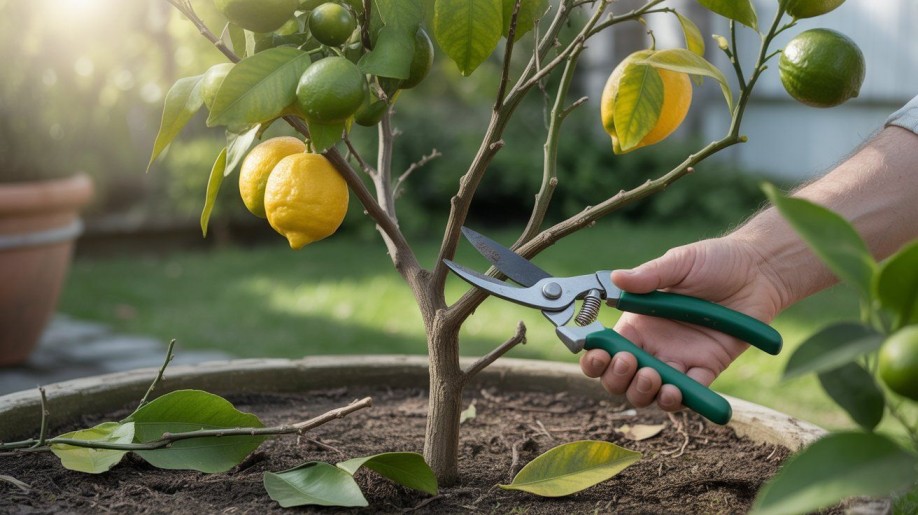
Risks & Drawbacks of Pruning in July
Pruning a lemon tree in July can expose it to several risks. The intense summer heat may cause sunburn on newly exposed branches, while excessive cuts can lead to tree stress. Open wounds in hot, humid conditions increase the chance of pest infestations and disease.
Summer pruning can also reduce fruit yield, as the tree diverts energy to healing instead of growth. These drawbacks show why July pruning should be minimal and carefully managed.
When July Pruning Might Be Acceptable
| Pruning Aspect | Action / Focus | Tip / Caution | Benefit / Purpose |
|---|---|---|---|
| Light Trimming | Remove dead, diseased, or weak branches | Use sterilized pruning shears | Prevents spread of disease and improves tree health |
| Corrective Cuts | Thin crowded areas to boost airflow | Avoid cutting healthy fruiting wood | Enhances sunlight penetration and reduces fungal risk |
| Avoid Heavy Pruning | Do not remove more than 20–25% of canopy | Large cuts stress the tree in summer heat | Maintains leaf balance and prevents sunburn |
| Seasonal Care | Water deeply and mulch after pruning | Avoid pruning during midday heat | Supports faster recovery and steady regrowth |
How to Prune Lemon Trees Safely in Summer
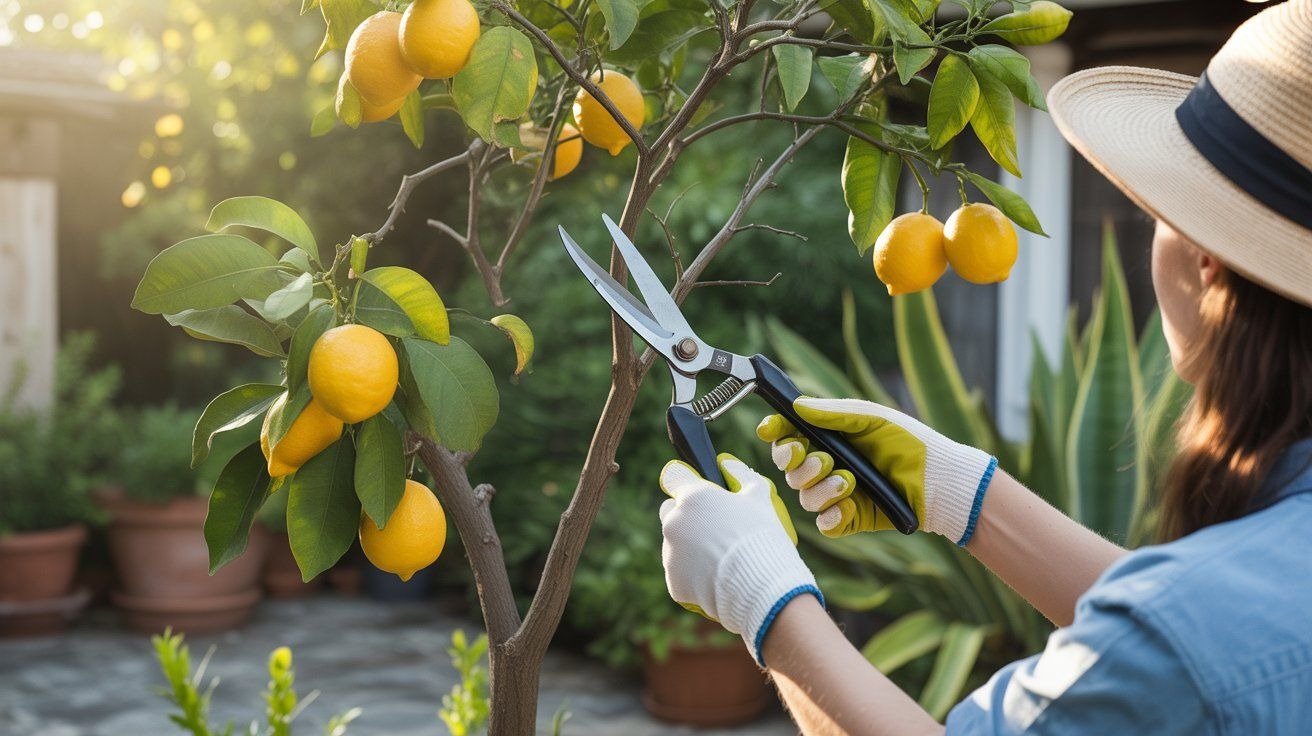
If you must prune a lemon tree in summer, focus on safety and precision. Use sharp, sterilized tools to reduce the risk of disease. Limit cuts to no more than 10–15% of the canopy to prevent excessive stress.
Make clean cuts on small branches rather than large limbs, and protect exposed areas from direct sunburn by maintaining partial shading. This cautious method allows your citrus tree to recover while minimizing risks associated with midsummer pruning.
Regional & Climate Considerations
Whether you can prune a lemon tree in July depends heavily on climate. In hot, dry regions, midsummer cuts may worsen heat stress and sun damage. In milder or coastal climates, limited summer pruning may be less harmful.
Tropical areas, where citrus trees grow year-round, allow for more flexibility but still require caution. Always consider local weather patterns, soil conditions, and humidity before pruning. Adapting your approach to regional factors ensures the tree remains healthy and productive.

Conclusion
So, can you prune a lemon tree in July? The answer is yes, but with caution. While heavy midsummer pruning can cause stress, sunburn, and reduced fruit yield, light corrective cuts are sometimes necessary.
For best results, save major pruning for late winter or early spring, when the tree is better equipped to heal and grow. By understanding seasonal cycles and applying careful techniques, you can keep your citrus tree healthy while minimizing risks tied to summer pruning.
FAQ: Can You Prune a Lemon Tree in July?
Q1: What’s the best time to prune lemon trees?
Late winter or early spring, before new growth begins.
Q2: Is July pruning safe?
Heavy pruning in July can cause sunburn, stress, and lower fruit yield.
Q3: When is midsummer pruning acceptable?
Only for light trimming of dead, diseased, or small shoots.
Q4: How to prune safely in summer?
Use sterilized tools, limit cuts to 10–15% canopy, and avoid large limbs.
Q5: Does climate affect pruning timing?
Yes—hot, dry regions increase risks, while mild areas allow limited cuts.

Jhanzaib Khan, with over 50 years of dedication to nature and tree conservation, is a leading authority in the world of trees and environmental care. From his early years exploring forests to guiding communities in sustainable tree planting, Jhanzaib has combined hands-on experience with a lifelong passion for the environment. He specializes in tree species identification, tree care, forest management, and environmental awareness. His insights have been featured in multiple nature blogs, workshops, and local conservation projects.